
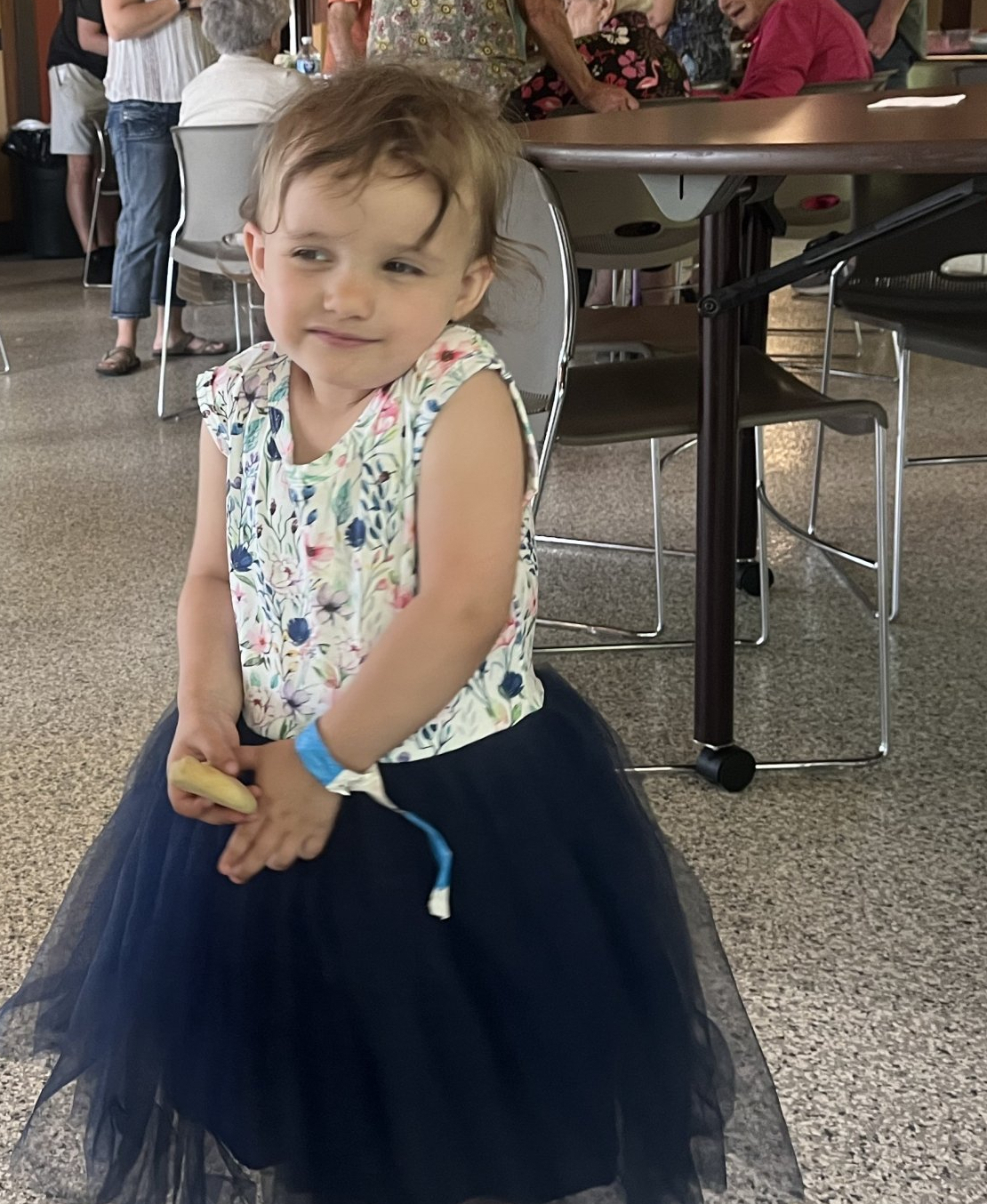
Hi, my name is Suzanne Jurgensen, and I live in McCallsburg, Iowa, with my husband, Aric, and our three amazing children: Sawyer (12), Nolan (6), and Avery (3). All three have hereditary pancreatitis, a rare and painful condition that runs in Aric’s family.
I thought I understood pancreatitis when I started dating Aric. I had heard the stories about his mother’s hospital stays growing up. But nothing could have prepared me for watching my own children endure that kind of pain. Once Sawyer, Nolan, and Avery were impacted, we realized how unpredictable and painful it can truly be and how much it changes daily life – not just physically, but emotionally too.
Sawyer, our oldest, is so brave. He had his first pancreatitis episode at just three years old. Because of our knowledge of pancreatitis, we had a good idea of what may be causing his pain, but we remained hopeful we were wrong. I remember him lying on the hardwood floor, curled in pain, vomiting nonstop, asking for food he couldn’t have. In those early days, things were really scary and uncertain, trying to understand what was happening, while still holding onto hope. Getting a diagnosis was overwhelming. We had so many questions and worries, especially as we realized it could affect more than just Sawyer. Every test and doctor visit felt like a roller coaster, but it was also the start of understanding how to help him.
Since then, he has had multiple hospitalizations. Each flare-up steals his days, making him miss school, birthdays, and milestones. Just recently, he missed nine days of school after an episode. Despite the setbacks, Sawyer is resilient. He’s learned to manage triggers like stress, heat, and certain foods with us, and he continues to fight every day with courage.
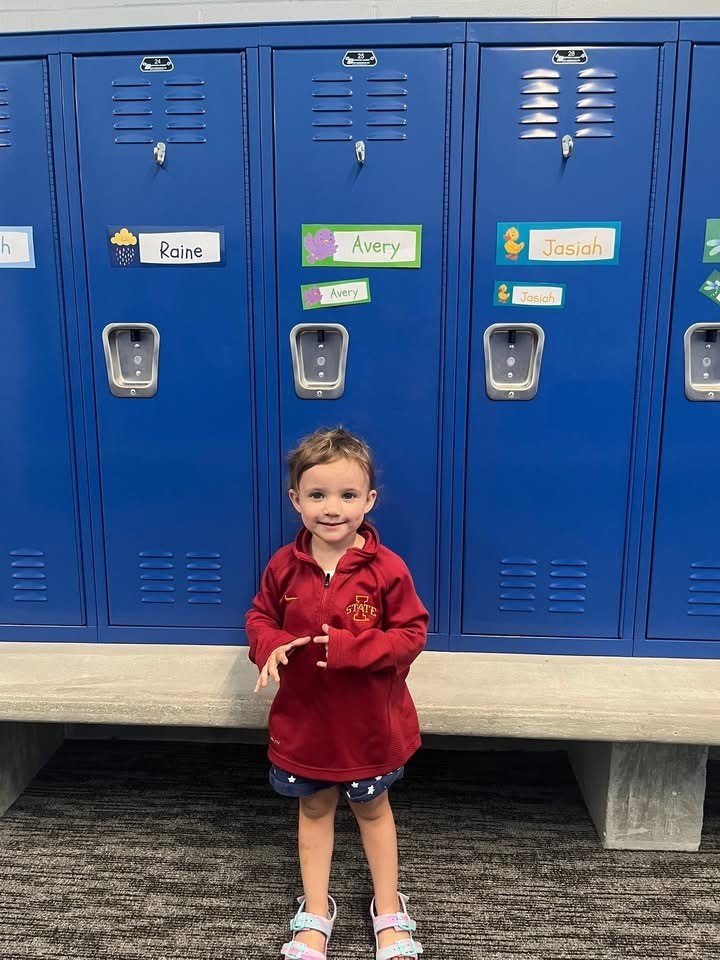
Nolan, our quiet middle child, was also diagnosed at age three. His flare-ups tend to be milder, but he doesn’t always tell us he’s in pain. Often, it’s a call from school that alerts us to his discomfort. Nolan is gentle and patient, and he has become incredibly observant – he knows when his body isn’t right even if he can’t say it. With CREON and regular check-ups, we manage his symptoms at home, but our vigilance never stops.
Avery, our youngest, had her first episode at just one year old. Watching her cry in pain, hooked up to IVs, completely helpless, was heart-wrenching. Avery has continued to experience episodes, and her genetic testing revealed several risk factors, including the PRSS1 gene, high triglycerides, a biallelic APOB mutation, and exocrine pancreatic insufficiency (EPI). She takes CREON with every meal and snack, which is challenging for a three-year-old, but she has been so brave. Avery’s spirit shines through, even in the midst of pain – she smiles, she plays, and she keeps fighting.
When everyone is feeling well, we try to keep life as “normal” as possible: school, activities, family meals, and routines. But our kids don’t know life without pancreatitis.
During a flare-up, everything shifts – hospital visits, medications, rest, and lots of emotional support. Our life is structured around medications, diet, and avoiding triggers. School, social events, and playtime are often disrupted. Sometimes it can feel like our house revolves around whoever is sick at the time. Yet, they each show incredible resilience. We make a point to regularly check in with each child about how they’re feeling to ensure nothing is overlooked, and Sawyer, Nolan, and Avery are learning to navigate their world with courage, strength, and a maturity far beyond their years.
Balancing the health needs of all three, while keeping life as normal as possible is a daily challenge. In addition to pancreatitis, our children have high triglycerides, so we meet with an endocrinologist regularly and plan ahead to ensure our meals are low-fat and no sugar (which can often be tricky). Managing specialists, treatments, and appointments while working and caring for three children can feel overwhelming at times. Lots of prayer, keeping the kids in activities they enjoy, and maintaining a routine helps us cope. Having great doctors – especially our doctor in Iowa City – helps us feel confident that our kids are receiving the very best care. Sometimes it feels like my whole world revolves around pancreatitis and I worry people hear about it too much, but sharing it helps others understand and we focus on gratitude and hope, rather than frustration.
Luckily, teachers, schools, and friends have been a wonderful support and they’re all understanding when a child has to miss school or limit activities, which is a common occurrence for us. Emotionally, it can take a toll on Aric and I, but we support each other and try to focus on small moments of joy and normalcy. Our faith helps us stay grounded and hopeful through all the uncertainty. We also help all three children to process their feelings by encouraging them to talk and reassuring them that it’s okay to be upset or scared. Sometimes it can be as simple as sitting together, reading, or just being present for them.
Hope comes from the small victories: a pain-free day, laughter at home, a successful meal, or seeing them enjoy the things they love. Connecting with other families, having great doctors, and leaning on faith and support give us strength and peace on our hardest days.
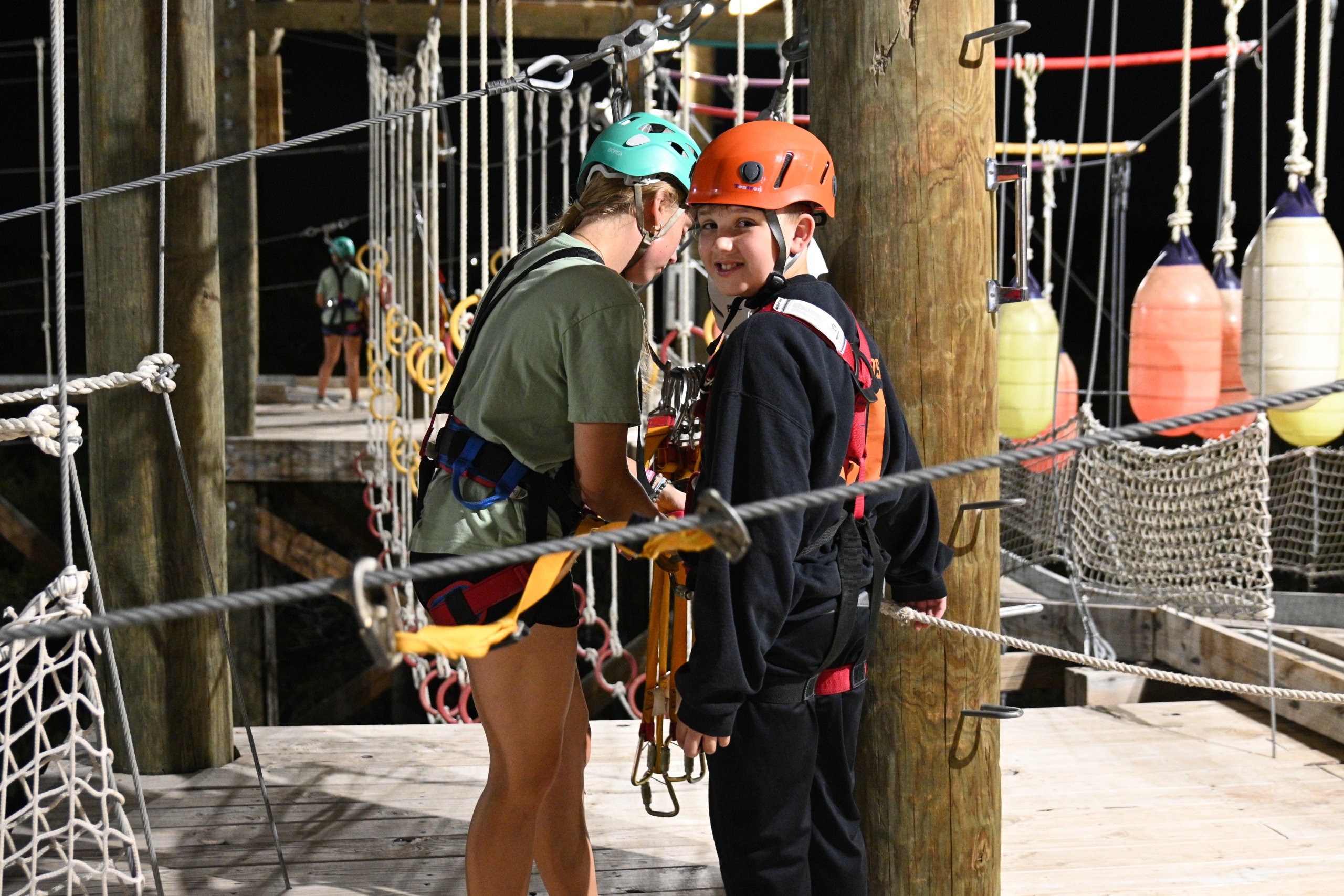
Camp Hope has been transformative for our family. Meeting other children who understand what it’s like to live with pancreatitis gave them hope, friendship, and a sense of normalcy. I remember picking Sawyer up from Camp Hope this year – he was smiling and the most excited I’ve ever seen him. He has made lifelong friends with other kids going through the same struggles and at Camp, he didn’t have to hold back when talking about his consistent stomach pain because everyone there truly understood. Sawyer is already counting down the days until he can go back to Camp Hope in 2026.
Our family returned home this year with stories, laughter, and renewed confidence – a reminder that we are not alone in this journey. Despite the challenges of pancreatitis, hope has found us.
We regularly wish healthcare providers better understood how pancreatitis affects the entire family – not just the patient. The unpredictability, the emotional toll, and the need for guidance and empathy for both kids and parents are so important. Being a part of The NPF community and connecting with other families has been life-changing. Knowing we’re not alone, sharing experiences, tips, and encouragement – it gives us strength and practical ideas for coping with daily challenges. I would recommend that any other family living with pancreatitis find others who are going through the same thing and talk it out. It’s hugely important to find your people and your support group and keep advocating for awareness. Connecting with others and sharing experiences can make a huge difference in coping and feeling supported.
Living with hereditary pancreatitis is exhausting and unpredictable, but my children inspire me every day. Their courage, determination, and resilience remind me why I fight for them and why it’s so important to connect with supportive communities, advocate for their care, and hold on to hope, even on the hardest days.
And to my fellow pancreatitis caregivers: You are not alone – even in the darkest moments – hope and understanding can light the way.