
My name is Alexis and five years ago, I shared my story of living with hereditary chronic pancreatitis (CP). I was scared to be vulnerable and transparent about what I was experiencing, and I feared others wouldn’t respond to my story or that my social media advocacy page wouldn’t be successful. Sharing my story with The National Pancreas Foundation (NPF) and starting an advocacy page was the best thing I ever did. From the time I was first diagnosed to where I am now, I’ve faced many challenges—both mentally and physically. I was 15 years old when I was diagnosed with hereditary chronic pancreatitis with a PRSS1 genetic mutation. I’m now 21 years old, living what some might call the “normal” college life.
I am currently a senior and below are my suggestions on how what has helped me through college.
College and Pancreatitis

Like many high school seniors, I was nervous about going to college. Moving away from home is already a big transition, but for those living with CP, there are additional fears. I was anxious about being away from my doctors and the family members who supported me during flare-ups. My parents even talked to me about how far I was thinking of going. For my freshman year, I decided to attend a college just an hour from home. During my sophomore year, I decided to transfer and ended up three hours away from my support system. That was a big challenge at first, but I realized the distance wasn’t as scary as I had imagined.
Create an Emergency Plan. I had a plan in place with my parents and doctors in case I experienced a flare up. I would first contact the on-call gastroenterologist to explain that I am having a flareup and my doctor made the notes in my chart so it wouldn’t require me to explain my entire medical history. Based on my pain severity, we would decide if I needed to be admitted right away or if I should get blood work done to check my lipase and amylase levels. The on-call gastroenterologist would also urgently contact my doctor to keep him in the loop.
I would then tell my trusted friends who would make sure I stayed hydrated, drive me to get my blood work done, stay with me if I needed to take higher pain medication, and, if necessary, use my emergency contacts listed to call my parents. I didn’t think I would ever need to go through with the plan, but after six months transferring, I had a major flare-up that put me in the hospital for a week.
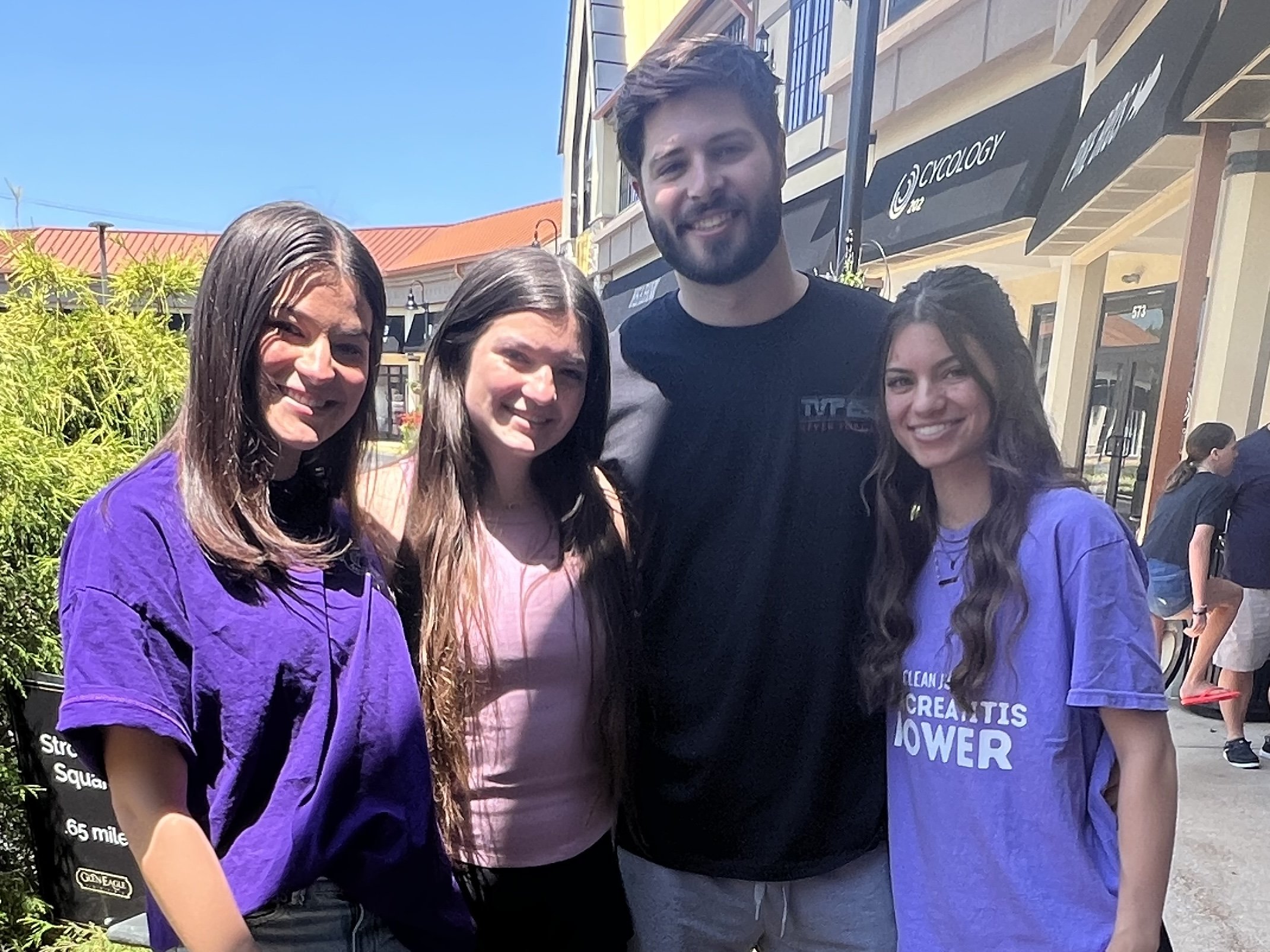
Find your tribe. During college, I was often anxious and upset about missing things I could not do because of CP. I shared with my behavioral therapist that I would often feel consumed in my thoughts and often felt like I was fighting against CP alone. I constantly worried that fatigue or pain would prevent me from attending social events and classes. Social gatherings were especially difficult because of the alcohol—something I cannot have. Even though I’ve accepted that I can’t drink, I still feel uncomfortable at events where everyone else is drinking. When someone would offer me a drink, and I politely decline, they would ask why. I would tell them that I have CP, and it can cause a lot of damage to my pancreas, which leads to more questions.
Seeing how uncomfortable and excluded I felt, my friends began to support me by making fun, non-alcoholic drinks like lemonade or energy drink mocktails, so I wouldn’t feel left out. Creating a good group of friends, I could trust and share my life with, especially my experience with pancreatitis, was incredibly supportive.
Find Resources at College. My freshman year, I knew I had to set up accommodations with the student accessibly department. My doctor wrote a note about the accommodations that I needed like bathroom breaks in classes and excused absences, while including a summary of CP and the symptoms that I experience. It was helpful to also attend professor’s office hours to explain more in detail my accommodations, as they were more understanding and often checked on how I was doing.
Another challenge was eating at the dining hall while managing my food choices. It was incredibly helpful to meet with dining services to ensure low-fat food options were available. I even developed a friendship with one of the chefs who would check up on me to see if I needed any grilled chicken instead of the fried chicken on the menu. As a first-year student in college, it can seem embarrassing to need accommodations or special services, but there is nothing to be embarrassed about taking care of yourself because it will teach you to use your voice in speaking up for what you need.
Mental Health Care. My mental health was another challenge I had to navigate as a college student. I had to maintain my grades, explain pancreatitis to my professors, manage relationships, and constantly watch myself to avoid over exertion that could cause a flareup. This is a lot and can be overwhelming. It made me feel like I had to grow up faster than my peers. At times, I isolated myself and didn’t talk about the fear of missing out on the college experience, the burnout from constantly taking Creon, my insecurities about weight loss, or the sadness of being in the hospital and missing out on life. I realized I needed to advocate not just for physical health, but for mental health, too. I also felt moving away three hours gave me even more independence, but I felt alone because my family and friends stopped checking in on me. After talking it out, I later realized they didn’t know I was struggling—because I hadn’t told them. I am still learning to move past those emotions and thoughts, but it has taught me that it is all about the little things you involve yourself in.
I started to talk more openly with my behavioral therapist and eventually got on anxiety medication, which helps me reduce anxiety and stress to prevent a flareup. I was initially afraid to tell friends and family because of the stigma surrounding mental health. I thought they would not understand why I felt sad and anxious, since none of them live with CP or a chronic illness. But once I opened up to my friends and family about my mental state, I was surprised how supportive they were, and it made me realize that I need to start advocating for mental health not just the physical symptoms of CP. My friends and family reassured me that my feelings are valid because the challenges I face every day with CP are not easy to cope with. Surrounding yourself with a good support group is important, but for me, talking to a professional was really helpful as well.
Reflection and Advice
Being transparent and vulnerable about both my mental and physical health, especially with my friends, family, and doctors has helped me maintain my overall wellbeing, I am now off all low-fat diets and on 36,000-unit Creon pills thriving compared to where I was five years ago. I have started going on walks, hikes, and exercising while paying attention to my body. For me, stress and elevated levels of physical activity still trigger my symptoms, but learning to listen to my body has helped me find my limits in maintaining causes of flare ups.
I have only had two major flare ups in the past year, and I am considering TPIAT surgery after I graduate in December. I still maintain my online support group for young adolescents living with pancreatitis. I am also an intern and pancreatitis patient advocate for The NPF, continuing my advocacy while completing my degree in Sociology.
Living with chronic pancreatitis is both physically and mentally demanding, and it can often feel isolating. If you're in college, remember that mental health is just as important as physical health—they go hand in hand. Advocate for yourself early and take advantage of any available support services. I would recommend utilizing support groups and raising awareness can help both you and others who are feeling the same way and experiencing the same things you are. No one is ever alone in their fight against pancreatitis.